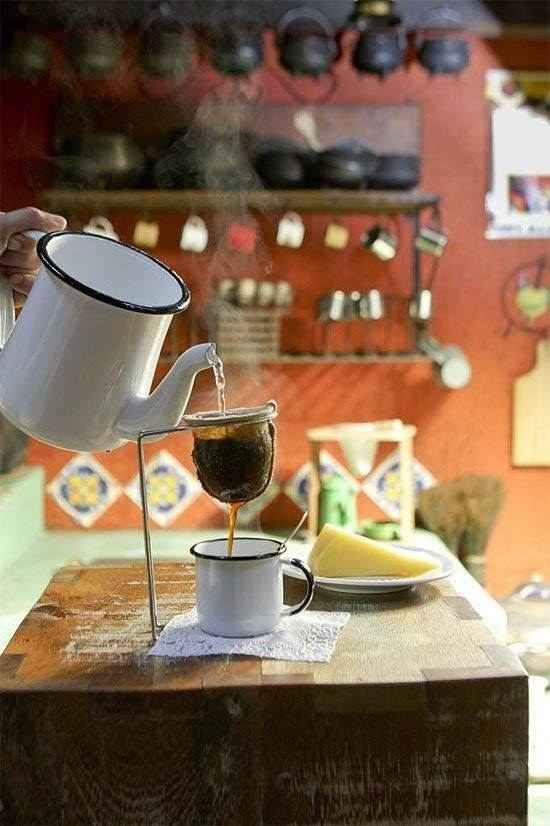
The Rapid Science of Coffee Staling After Grinding
The moment coffee beans are ground, a chemical clock begins ticking that dramatically alters flavor within minutes, not days. Whole coffee beans contain approximately 800 to 1,000 aromatic compounds trapped inside their cellular structure. Grinding exposes an enormous surface area up to 100 times more surface than a whole bean to oxygen, moisture, and light. www.moodtrapcoffeeroasters.com This exposure triggers rapid oxidation, where oxygen molecules react with volatile aromatic compounds, converting them into odorless or unpleasant-tasting substances. Additionally, carbon dioxide which protects delicate flavors and helps with extraction escapes violently during grinding. Within 15 minutes of grinding, coffee loses 60 percent of its aromatic complexity. After one hour, the coffee has degraded significantly with flat, cardboard-like, or ashy notes dominating. After 24 hours, pre-ground coffee is effectively stale, producing a cup that tastes uniformly bitter, sour, or hollow regardless of brewing method. Understanding this rapid degradation explains why specialty coffee roasters and professional baristas universally emphasize grinding immediately before brewing.
The Volatile Compound Loss and Degradation Timeline
Different aromatic compounds degrade at different rates after grinding, creating a complex decay pattern. The most volatile compounds, including aldehydes and furans responsible for fruity, floral, and sweet notes, dissipate within 5 to 10 minutes of grinding. These delicate compounds include 2-methylbutanal (malty, chocolatey), methional (potato-like, but in positive concentrations adds complexity), and various esters (berry, apple, wine). Next to degrade are sulfur-containing compounds like methanethiol (savory, roasted meat) and dimethyl trisulfide (garlicky, tropical fruit), which disappear within 30 minutes. The most stable compounds are pyrazines (earthy, nutty) and phenols (smoky, medicinal), which can persist for hours but now dominate without balancing delicate notes. This selective degradation explains why pre-ground coffee often tastes uniformly roasty or ashy. Even vacuum-sealed pre-ground coffee cannot prevent this degradation because the grinding process itself irreversibly releases and loses the most volatile aromatics before sealing. The only solution is to grind whole beans on demand.
Extraction Dynamics and Particle Size Consistency
Fresh grinding affects not only aromatic compounds but also the fundamental physics of how water extracts flavor from coffee grounds. Whole beans ground immediately produce more uniform particle sizes because the grinding burrs encounter consistent resistance. Pre-ground coffee contains a wide range of particle sizes from fine dust to large chunks, called bimodal distribution. During brewing, fine particles over-extract, releasing bitter tannins and plant fibers, while coarse particles under-extract, leaving sour acids and lacking sweetness. The result is a cup that is simultaneously bitter and sour without the balanced middle notes of caramel and chocolate. Furthermore, fresh grounds retain more carbon dioxide gas, which initially repels water, ensuring even saturation and extraction. Stale grounds have lost their carbon dioxide, so water rushes through channels, extracting only part of the coffee bed unevenly. This channeling produces hollow, watery, or harsh cups. Professional baristas adjust grind size multiple times daily as humidity and bean age change, something impossible with pre-ground coffee purchased weeks ago.
Flavor Comparison: Fresh vs. Pre-Ground Blind Tests
Controlled blind taste tests reveal dramatic differences between coffee brewed from freshly ground beans versus one-hour-old grounds versus pre-ground commercial coffee. Freshly ground coffee within 5 minutes of grinding produces a complex cup with distinct tasting notes matching the bean’s origin and roast level. A fresh Ethiopian Yirgacheffe displays jasmine, bergamot, lemon, and honey. A fresh Colombian shows caramel, apple, and chocolate. These flavors evolve as the cup cools, revealing new dimensions. Coffee ground one hour before brewing produces a flat cup where primary notes are muted. The Ethiopian loses floral and citrus elements, tasting simply like sweet coffee with tea-like body. Colombian loses fruit notes, becoming generic chocolate. Pre-ground coffee from a sealed bag opened that same day produces a uniformly roasty or ashy cup regardless of origin. Blindfolded tasters cannot distinguish between an expensive pre-ground single-origin and a cheap pre-ground blend. The most striking difference appears in aftertaste: fresh coffee leaves a pleasant, clean finish, while stale coffee leaves a drying, papery, or metallic aftertaste that lingers unpleasantly.
Practical Solutions for Every Budget and Lifestyle
You do not need an expensive commercial grinder to enjoy freshly ground coffee. Manual hand grinders like the Hario Skerton or Timemore C2 cost 40to80 and produce excellent burr-ground consistency. These take 45 to 90 seconds to grind 20 grams of beans, offering a meditative morning ritual. Electric burr grinders range from entry-level Baratza Encore at 150topremiumMahlko¨nigmodelsat1,500. Avoid blade grinders at all costs, as they produce wildly inconsistent powder and chunks while overheating beans, cooking off aromatics. For travelers, portable hand grinders fit easily in luggage. The ultimate budget solution is grinding a small batch at the store but only buying one to three days worth at a time, storing grounds in an airtight glass jar in a cool, dark cabinet. Never store coffee in the refrigerator or freezer where condensation forms. If you currently use pre-ground coffee, switch to whole beans and a basic grinder for one week, then try your old pre-ground coffee again. The difference will shock you instantly, and you will never return. Remember that freshly ground coffee elevates any brewing method, from a 10pour−overconetoa3,000 espresso machine.